Quick answer
Three meta-analyses have looked for a link between mouthwash and oral cancer and none found a significant one, so that scare is not the reason to reconsider your rinse.[2][3][4] The better-documented problem is that antibacterial rinses suppress the tongue bacteria that convert dietary nitrate into nitrite - a step your body uses to make nitric oxide. Seven days of an antiseptic mouthwash cut oral nitrite production by about 90% and raised blood pressure by 2–3.5 mmHg in healthy volunteers.[6] The alcohol is mostly a solvent. Frequency is the variable that matters.
What's in this guide
- What the Alcohol Is Actually Doing in There
- The Cancer Question, Answered Honestly
- The Bacteria You Didn't Know You Needed
- What Happens When You Sterilise That Step
- Twice a Day Looks Like the Line
- What Three Months of Daily Rinsing Did
- The Case For Mouthwash, Fairly Stated
- Which Rinse, and When
- FAQ
- References
What the Alcohol Is Actually Doing in There
Start with a correction, because the whole debate is built on a misunderstanding.
In most mouthwashes, the ethanol is not the germ-killer. It is a solvent - it keeps the active ingredients dissolved and stable in water, and it carries flavour. The things doing the antibacterial work are chlorhexidine, cetylpyridinium chloride, or a blend of essential oils such as thymol, eucalyptol, menthol and methyl salicylate.
That single fact reframes the question people usually ask. "Should I switch to alcohol-free?" is a much less useful question than "how strong is this formula, and how often am I using it?" You can buy an alcohol-free rinse that suppresses your oral bacteria more thoroughly than an alcohol-containing one.
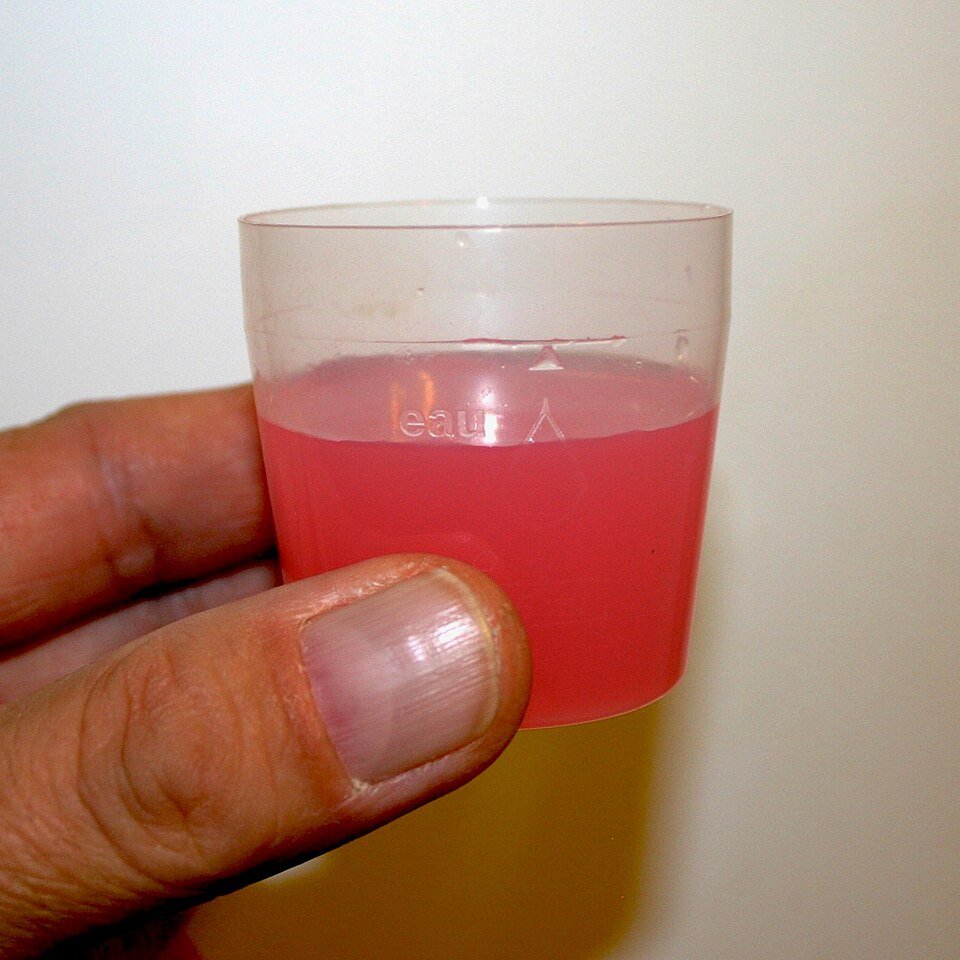
Alcohol does have effects of its own - the sting, the drying sensation, the irritation some people get on soft tissue. Those are real complaints and a reason to prefer a milder product if it bothers you. They are not the mechanism behind anything in the rest of this article.
The Cancer Question, Answered Honestly
This is the first thing everyone asks, and it deserves a straight answer rather than a hedge.
A meta-analysis of 18 epidemiological studies found no statistically significant association between regular mouthwash use and oral cancer (RR 1.13, 95% CI 0.95–1.35), no significant trend with increasing daily use, and no association for mouthwash specifically containing alcohol (RR 1.16, 95% CI 0.44–3.08).[2]
A later meta-analysis pooled 17 studies covering 17,085 cases and 20,032 controls of head and neck squamous cell carcinoma. The overall risk difference between users and non-users was essentially nil, and alcoholic mouthwash use showed a minimal decrease rather than an increase. The one statistically significant finding was for frequent use, and the authors called the increase marginal.[3]
A systematic review looking only at alcohol-containing mouthwash and oral carcinogenesis reached the same place: not enough evidence to accept the proposition.[4]
The Bacteria You Didn't Know You Needed
Here is the part that almost never makes it into the marketing conversation.
Your mouth hosts several hundred bacterial species in a structured community.[1] Some of them do a job you depend on. Nitrate from vegetables - leafy greens, beetroot, celery - circulates in your blood, gets concentrated by the salivary glands, and arrives back in your mouth in saliva. Bacteria on the back of the tongue then reduce that nitrate to nitrite.
Nitrite is the precursor your body uses to generate nitric oxide, the molecule that relaxes blood vessels and helps regulate blood pressure. Human cells cannot perform that first reduction step efficiently. The bacteria do it for you.
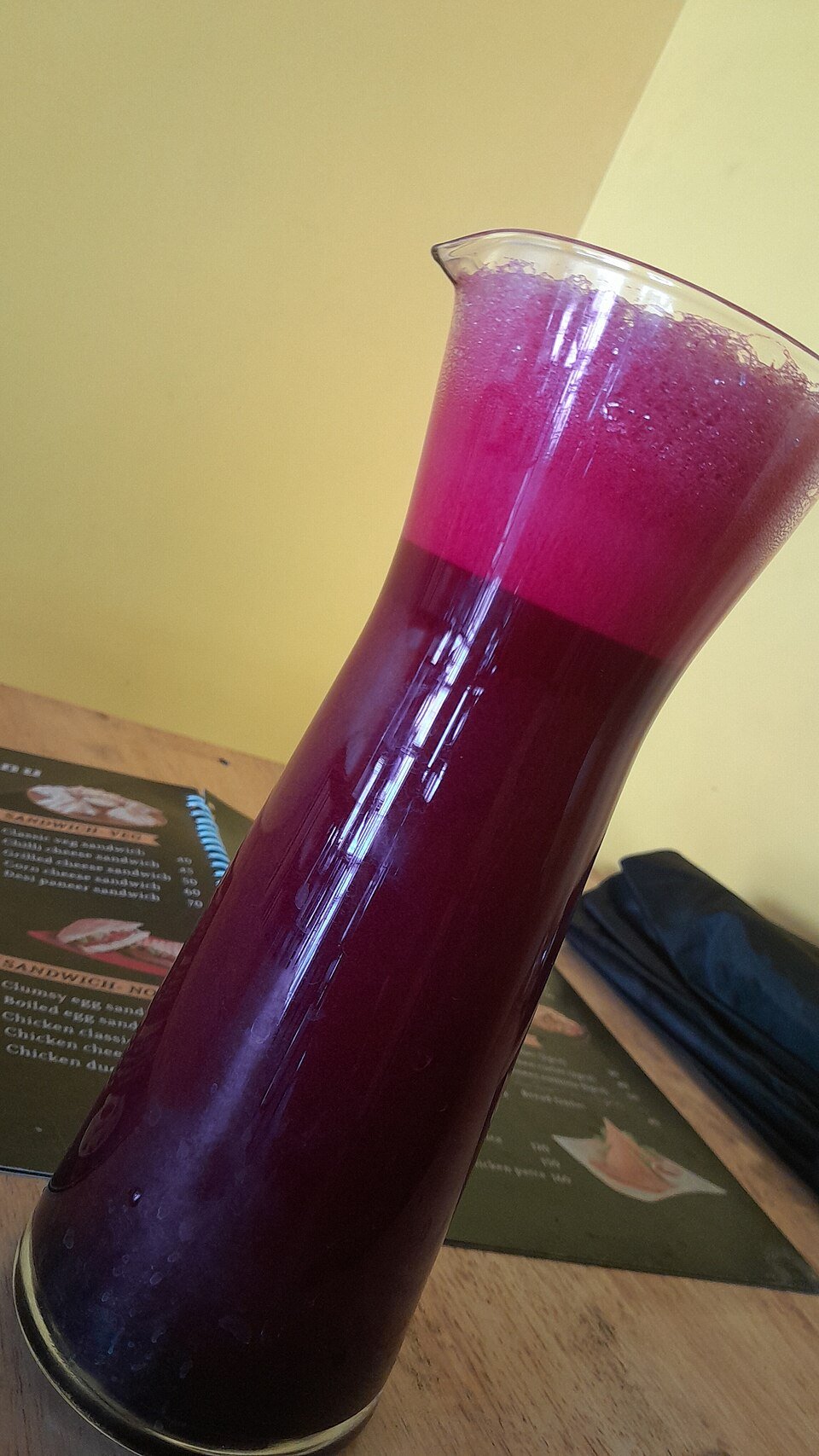
The dependency was demonstrated directly. Seven healthy volunteers swallowed a nitrate load; rinsing with an antibacterial mouthwash beforehand left nitrate accumulation untouched but abolished its conversion to nitrite in saliva and markedly blunted the rise in plasma nitrite.[5] The nitrate arrived. The step that made it useful did not happen.
This is the same argument the pillar guide makes about the mouth generally: it is an ecosystem you rely on, not a surface to be sterilised.
What Happens When You Sterilise That Step
Nineteen healthy volunteers were measured across a seven-day control period, then a seven-day period using a chlorhexidine-based antiseptic mouthwash. Oral nitrite production fell by about 90%. Plasma nitrite fell by 25%. Systolic and diastolic blood pressure rose by 2–3.5 mmHg, and the size of each person's rise correlated with the size of their drop in circulating nitrite.[6]
The effect appeared within one day of disrupting the oral flora and held for the full week.
A separate crossover study in 36 healthy adults used chlorhexidine rinse twice daily for seven days and looked at the microbiome itself. It found a major shift in salivary species - more Firmicutes and Proteobacteria, less Bacteroidetes and Fusobacteria - alongside more acidic saliva, reduced buffering capacity, higher salivary lactate and glucose, and lower nitrite in saliva and plasma with a trend towards higher systolic blood pressure.[7]
Read that second study twice
A more acidic mouth with less buffering capacity is a mouth that is more hospitable to the bacteria that demineralise enamel. The rinse was working exactly as advertised - killing bacteria - and the downstream conditions still moved in the wrong direction. That is what "ecosystem" means in practice.
Not every rinse hits equally hard
Twelve healthy men drank beetroot juice and then rinsed hourly with one of four solutions: water, an antiseptic mouthwash (Listerine), an antibacterial mouthwash (Cepacol), or chlorhexidine. Plasma and salivary nitrite fell in a stepwise fashion with increasing rinse strength, and the results separated into two groups - water and the antiseptic rinse on one side, the antibacterial and chlorhexidine rinses on the other.[8]
That is a useful corrective to the internet version of this story. The strongest products produce the strongest suppression. A daily cosmetic rinse is not the same intervention as a course of chlorhexidine, and treating them as identical is the mistake in both directions.
Twice a Day Looks Like the Line
Short trials tell you about mechanism. For anything about long-term risk you need people followed over years, and there the data comes mainly from one cohort of overweight adults aged 40–65 in San Juan.
In 945 participants free of diabetes at baseline, those using over-the-counter mouthwash twice a day or more had a significantly higher risk of developing pre-diabetes or diabetes over three years, compared with less frequent users (IRR 1.55, 95% CI 1.21–1.99) and with non-users (IRR 1.49, 95% CI 1.13–1.95). Use below twice daily showed no association at all, which the authors read as a threshold effect.[9]
The follow-up analysis looked at blood pressure in 540 participants who were free of hypertension at baseline. Twelve percent developed it. Twice-daily-or-more users had a higher incidence than less frequent users (IRR 1.85, 95% CI 1.17–2.94) and than non-users (IRR 2.17, 95% CI 1.27–3.71), after adjusting for age, sex, smoking, physical activity, waist circumference, alcohol intake and baseline blood pressure.[10]
The limits of these two studies, stated plainly
- Observational, not randomized - association is not proof of cause
- One specific population: overweight and obese adults in Puerto Rico, aged 40–65
- Mouthwash use and hypertension diagnosis were self-reported
- "Over-the-counter mouthwash" was not separated by alcohol content or active ingredient
- People who rinse constantly may differ from people who don't in ways no model fully adjusts for
What makes them worth taking seriously is that they point in the same direction as the mechanism the short trials demonstrated. That is not proof. It is coherence, which is the most this kind of evidence ever offers.
What Three Months of Daily Rinsing Did
One trial went longer with a specific product. Fifty-nine men in a randomized crossover study used Listerine Cool Mint daily for three months and a placebo mouthwash for three months, with oropharyngeal swabs sequenced at baseline and after each period.[11]
Two species were significantly more abundant after the Listerine period than at baseline: Fusobacterium nucleatum and Streptococcus anginosus. Both are opportunists previously reported as enriched in periodontal disease and in oesophageal and colorectal cancer. The authors concluded that regular use of that mouthwash should be carefully considered.
Two caveats belong with that finding. The study population was men who have sex with men taking HIV pre-exposure prophylaxis, enrolled in a trial about gonorrhoea prevention - not a general sample. And the overall community composition shifted significantly from baseline during the placebo period too, which means three months of anything, including time itself, moves these numbers.
The specific enrichment of those two species, though, only showed up on the mouthwash.
The Case For Mouthwash, Fairly Stated
An article that only presented the harms would be doing the same thing the advertising does, in the opposite direction.
A meta-analysis of 29 randomized, observer-masked, placebo-controlled trials running six months or longer found that an essential-oil mouthrinse added to brushing and interdental cleaning beat mechanical cleaning alone by a clear margin: whole-mouth gingivitis reduced by 16.0% and plaque by 27.7% at six months. Nearly 45% of rinse users reached at least half their mouth free of gingival inflammation, against 14% of the mechanical-only group.[12]
Every one of those trials was industry-sponsored, and several authors were affiliated with the manufacturer. That does not make the numbers false. It does mean the effect size is the optimistic end of the range.
There are also situations where an antibacterial rinse is the correct tool and the microbiome question is secondary: after periodontal surgery or an extraction, during an acute infection, with braces or fixed appliances, or when a dentist prescribes a defined course of chlorhexidine. Short, targeted, for a reason.
Reasonable use
- A prescribed chlorhexidine course, for the number of days prescribed
- Post-surgical or post-extraction healing
- A short run during an active gingivitis flare, alongside better mechanical cleaning
- Before a social situation, occasionally, for what it is - a cosmetic
Where it stops making sense
- Twice a day indefinitely, with no problem to solve[9][10]
- As a substitute for flossing or cleaning the tongue
- To cover bad breath that keeps coming back - that has a source
- Immediately after eating nitrate-rich vegetables or before exercise[5]
- Chlorhexidine as a permanent daily habit rather than a prescribed course[7]
Which Rinse, and When
| Type | Active ingredient | Effect on the ecosystem | Sensible use |
|---|---|---|---|
| Chlorhexidine | Chlorhexidine gluconate | Strongest suppression; measurable drop in nitrite and shift in species within 7 days[6][7] | Prescribed courses only, for the stated duration |
| Essential oil (antiseptic) | Thymol, eucalyptol, menthol, methyl salicylate | Real anti-plaque effect; less nitrite suppression than chlorhexidine in the beet-juice study[8][12] | Targeted runs, not an unlimited daily habit |
| CPC (antibacterial) | Cetylpyridinium chloride | Grouped with the stronger suppressors on nitrite in that same study[8] | Same as above; check the label, it is often the "alcohol-free" active |
| Fluoride rinse | Sodium fluoride | Aimed at enamel, not at killing bacteria | Reasonable daily option if you need caries protection |
| Salt water | None | Soothes tissue without a sustained antibacterial load | Fine after dental work or with a sore mouth |
Five things worth changing
- Cut the frequency before you change the brand. The threshold in the cohort data appeared at twice daily and above; below that, no association.[9]
- Don't rinse right after the salad. The nitrate arriving in your saliva needs those bacteria. Leave a gap.[5]
- Stop expecting the alcohol-free label to solve it. A randomized trial in 163 people found no difference in dry-mouth scores between an alcohol-containing and an alcohol-free rinse over seven days.[13] The active ingredient is what matters.
- Clean the tongue mechanically instead. It removes the coating that drives most bad breath without a chemical dose to the whole mouth.
- Eat the nitrate. Leafy greens, beetroot and celery are the input side of a pathway you are otherwise trying not to break.
If the plan is to stop killing the ecosystem and start supporting it, the next question is whether adding bacteria back does anything measurable. We went through that strain by strain, including where the evidence runs out.
Do oral probiotics actually work? →The longer version of how I stopped treating my mouth as a surface to be disinfected - and what changed when I started treating it as an ecosystem - is on the home page.
Frequently asked questions
Does alcohol mouthwash cause oral cancer?
The evidence doesn't support that claim. A meta-analysis of 18 epidemiological studies found no statistically significant association between regular mouthwash use and oral cancer, and none for mouthwash containing alcohol specifically. A later meta-analysis of 17 studies covering more than 17,000 cases also failed to find a significant overall association, though it did report a small statistically significant increase with frequent use. A systematic review focused only on alcohol-containing mouthwash concluded there isn't enough evidence to accept that it influences the development of oral cancer. Treat it as an open question at high frequencies, not an established risk.
What does mouthwash actually do to your oral microbiome?
Antibacterial rinses change which species dominate, not just how many bacteria there are. In 36 healthy adults, seven days of chlorhexidine mouthwash shifted the salivary microbiome towards Firmicutes and Proteobacteria and away from Bacteroidetes and Fusobacteria, made saliva more acidic, reduced buffering capacity, and lowered nitrite in both saliva and plasma. A three-month crossover trial of daily Listerine Cool Mint found Fusobacterium nucleatum and Streptococcus anginosus significantly more abundant afterwards than at baseline - two species linked to periodontal and systemic disease.
How does mouthwash affect blood pressure?
Through the nitrate–nitrite–nitric oxide pathway. Bacteria on the tongue reduce dietary nitrate to nitrite, which your body converts to nitric oxide, a vasodilator. In 19 healthy volunteers, seven days of antiseptic mouthwash cut oral nitrite production by about 90% and plasma nitrite by 25%, and systolic and diastolic blood pressure rose by roughly 2–3.5 mmHg - within a day, and tracking the fall in circulating nitrite. Separately, an observational study of overweight adults found that using over-the-counter mouthwash twice a day or more was associated with a higher incidence of hypertension over three years.
Is alcohol-free mouthwash better for your microbiome?
Not necessarily, because the alcohol is usually the solvent rather than the antibacterial agent. What kills bacteria is the chlorhexidine, cetylpyridinium chloride or essential oils in the formula, and those sit in plenty of alcohol-free products. A randomized trial in 163 people found no difference in xerostomia scores after seven days of an alcohol-containing rinse versus an alcohol-free one. If the goal is protecting the nitrate-reducing bacteria, how often you rinse and how strong the formula is matter more than the word on the front of the bottle.
Should I stop using mouthwash completely?
No, and that overcorrection has its own cost. A meta-analysis of 29 six-month trials found an essential oil mouthrinse added to brushing and flossing reduced whole-mouth gingivitis by about 16% and plaque by about 28% versus mechanical cleaning alone - though those trials were industry-sponsored. The sensible middle position is to use antibacterial rinses as a targeted tool, for a defined period and a defined reason, rather than as an unlimited daily habit. In the cohort data, the harm signal appears at twice-daily use and above.
References
- Dewhirst FE, Chen T, Izard J, Paster BJ, Tanner AC, Yu WH, Lakshmanan A, Wade WG. The human oral microbiome. Journal of Bacteriology, 2010; 192(19):5002-17. PubMed 20656903
- Gandini S, Negri E, Boffetta P, La Vecchia C, Boyle P. Mouthwash and oral cancer risk: quantitative meta-analysis of epidemiologic studies. Annals of Agricultural and Environmental Medicine, 2012; 19(2):173-80. PubMed 22742785
- Hostiuc S, Ionescu IV, Drima E. Mouthwash use and the risk of oral, pharyngeal, and laryngeal cancer: a meta-analysis. International Journal of Environmental Research and Public Health, 2021; 18(15):8215. PubMed 34360508
- Aceves Argemí R, González Navarro B, Ochoa García-Seisdedos P, Estrugo Devesa A, López-López J. Mouthwash with alcohol and oral carcinogenesis: systematic review and meta-analysis. Journal of Evidence-Based Dental Practice, 2020; 20(2):101407. PubMed 32473798
- Govoni M, Jansson EA, Weitzberg E, Lundberg JO. The increase in plasma nitrite after a dietary nitrate load is markedly attenuated by an antibacterial mouthwash. Nitric Oxide, 2008; 19(4):333-7. PubMed 18793740
- Kapil V, Haydar SM, Pearl V, Lundberg JO, Weitzberg E, Ahluwalia A. Physiological role for nitrate-reducing oral bacteria in blood pressure control. Free Radical Biology and Medicine, 2013; 55:93-100. PubMed 23183324
- Bescos R, Ashworth A, Clarke C, Brookes ZL, Belfield L, Rodiles A, Casas-Agustench P, Farnham G, Liddle L, Burleigh M, White D, Easton C, Hickson M. Effects of chlorhexidine mouthwash on the oral microbiome. Scientific Reports, 2020; 10(1):5254. PubMed 32210245
- Woessner M, Smoliga JM, Tarzia B, Stabler T, Van Bruggen M, Allen JD. A stepwise reduction in plasma and salivary nitrite with increasing strengths of mouthwash following a dietary nitrate load. Nitric Oxide, 2016; 54:1-7. PubMed 26778277
- Joshipura KJ, Muñoz-Torres FJ, Morou-Bermudez E, Patel RP. Over-the-counter mouthwash use and risk of pre-diabetes/diabetes. Nitric Oxide, 2017; 71:14-20. PubMed 28939409
- Joshipura K, Muñoz-Torres F, Fernández-Santiago J, Patel RP, Lopez-Candales A. Over-the-counter mouthwash use, nitric oxide and hypertension risk. Blood Pressure, 2020; 29(2):103-112. PubMed 31709856
- Laumen JGE, Van Dijck C, Manoharan-Basil SS, de Block T, Abdellati S, Xavier BB, Malhotra-Kumar S, Kenyon C. The effect of daily usage of Listerine Cool Mint mouthwash on the oropharyngeal microbiome: a substudy of the PReGo trial. Journal of Medical Microbiology, 2024; 73(6). PubMed 38833520
- Araujo MWB, Charles CA, Weinstein RB, McGuire JA, Parikh-Das AM, Du Q, Zhang J, Berlin JA, Gunsolley JC. Meta-analysis of the effect of an essential oil-containing mouthrinse on gingivitis and plaque. Journal of the American Dental Association, 2015; 146(8):610-622. (Industry-sponsored trials.) PubMed 26227646
- Nair R, Chiu SE, Chua YK, Dhillon IK, Li J, Yee Ting Fai R. Should short-term use of alcohol-containing mouthrinse be avoided for fear of worsening xerostomia? Journal of Oral Rehabilitation, 2018; 45(2):140-146. PubMed 29164661
Citations are provided for context on mouthwash and oral health in general - they are not endorsements of any specific commercial product, and nothing here replaces advice from your own dentist or doctor. If a dentist has prescribed a rinse, follow their instructions rather than this page.