Quick answer
Yes, oral probiotics work - for specific outcomes, with specific strains, used consistently. Meta-analyses show measurable benefits for gum inflammation, plaque, and bad breath when the label names strains like S. salivarius K12/M18, L. reuteri, or L. paracasei, the format is a lozenge or chewable, and you use it daily for at least 4 to 8 weeks.[1][2] Anything else is closer to a wellness placebo than a working intervention.
What's in this review
- What Do "Oral Probiotics" Actually Mean?
- What Does the Peer-Reviewed Research Say?
- Which Strains Have Real Evidence vs. Filler?
- What Do Oral Probiotics Realistically Help With?
- What Will Oral Probiotics Not Do?
- How Do You Tell a Serious Product From a Marketing One?
- How Do You Actually Test One on Yourself?
- FAQ
- References
What Do "Oral Probiotics" Actually Mean?
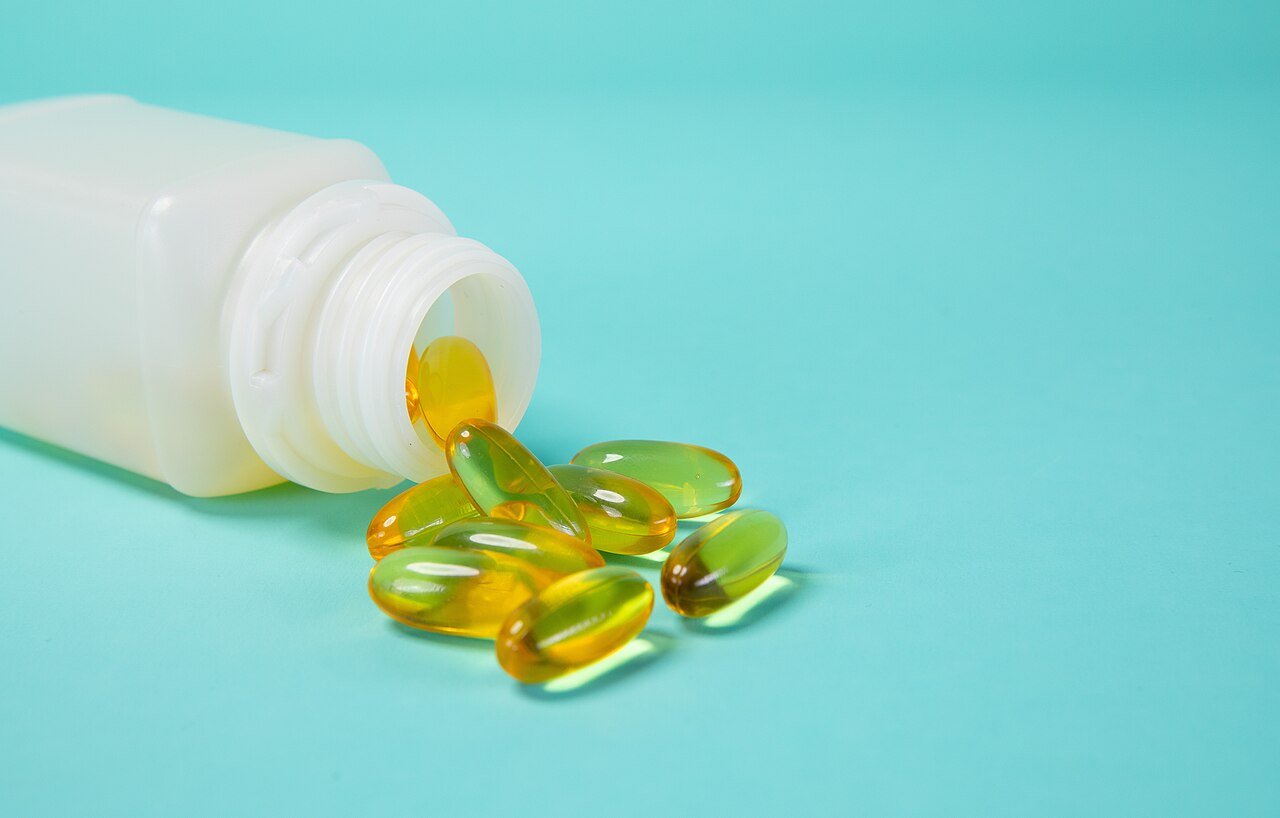
An oral probiotic is a beneficial bacterial strain packaged in a format that stays in the mouth - usually a chewable tablet, lozenge, or dissolving mint - so it can contact the teeth, gums, and tongue directly. That contact is the whole point. Gut probiotics are designed to survive stomach acid and colonise the intestine. Oral probiotics are designed to seed the mouth.
Swallowing a gut probiotic capsule does close to nothing for your oral microbiome. The capsule protects the bacteria from the mouth entirely, which is the opposite of what you want when the problem is bleeding gums or bad breath.
The mechanism is competitive: helpful strains occupy space and nutrients that opportunistic species would otherwise use. Some strains also produce antimicrobial peptides (bacteriocins) that suppress specific pathogens directly. It is not "probiotic bacteria kill bad bacteria." It is closer to "helpful renters make the apartment less available to the bad tenants."
What Does the Peer-Reviewed Research Say?
This is where most articles get lazy - either "studies show they work!" or "there is no evidence." Both are wrong. Here is the honest picture.
Meta-analysis 1: caries and periodontitis
A 2016 systematic review and meta-analysis by Gruner, Paris, and Schwendicke in the Journal of Dentistry pooled controlled trials on probiotics for caries and periodontal disease. The conclusion: probiotics can produce measurable, positive effects on both, but effect sizes were modest and study designs varied a lot.[1] The signal is real. It is not a cure.
Meta-analysis 2: probiotics as adjunct to periodontal therapy
A meta-analysis by Martin-Cabezas and colleagues in the Journal of Clinical Periodontology looked specifically at probiotics used alongside standard non-surgical periodontal treatment (scaling and root planing). Adjunctive probiotic use improved clinical outcomes such as probing depth reduction.[2] Translation: they help the dentist's work stick better. They do not replace the dentist.
Broader review: probiotics and oral health overall
Allaker and Stephen, writing in Current Oral Health Reports, reviewed the wider field - dental caries, periodontal disease, halitosis, oral candidiasis. Their summary was the one that keeps recurring in this literature: promising, strain-specific, needs more high-quality trials, and useful as an adjunct rather than a stand-alone therapy.[3]
What the reviews all point out is that the studies vary widely in the strain used, dose, format, and duration. That is why "do probiotics work" is the wrong question. The right question is "does this specific strain, at this dose, in this format, help with this specific problem." When you narrow the question, you get useful answers.
Which Strains Have Real Evidence vs. Filler on the Label?
The single most useful skill when shopping for an oral probiotic is reading the strain names. Genus alone (like "Lactobacillus") tells you almost nothing. Species narrows it. The strain code - the letters and numbers after the species - is what matches the research.
| Strain | What it is studied for | Evidence quality |
|---|---|---|
| Streptococcus salivarius K12 | Reducing volatile sulfur compounds (bad breath), throat and ear infections in kids. | Moderate to strong |
| Streptococcus salivarius M18 | Plaque, gingival inflammation, dental caries risk in kids and adults. | Moderate |
| Lactobacillus reuteri (DSM 17938, ATCC PTA 5289) | Gingivitis, plaque, adjunct to periodontal treatment. | Moderate to strong (adjunctive)[2] |
| Lactobacillus paracasei | Plaque control, gum inflammation. | Moderate |
| Bifidobacterium lactis BL-04 | General oral health claims. Very limited oral-specific trials. | Weak (in oral context) |
| "Proprietary probiotic blend" | Whatever the marketing team wants it to say. | Not evaluable |
If a bottle lists only "1 billion CFU probiotic blend," you cannot connect it to any of the studies above. The strains that were tested are the strains that were tested. Substituting a cheaper species in the same genus and calling it "probiotic" is a common trick, and the research does not follow along.
What Do Oral Probiotics Realistically Help With?
Based on the reviews above and the strain-specific literature, here is the honest short list:
- Gum inflammation and mild bleeding. Especially L. reuteri as an adjunct to standard hygiene. Not overnight; expect 4 to 8 weeks.
- Chronic bad breath from tongue bacteria. S. salivarius K12 has the clearest evidence for reducing the volatile sulfur compounds that anaerobic bacteria produce on the back of the tongue. Details in how to get rid of bad breath that won't go away.
- Post-periodontal-treatment maintenance. Meta-analyses show adjunctive probiotic use alongside scaling and root planing improves clinical measures.[2]
- Plaque volume, to a modest degree. Several strains reduce plaque accumulation when used consistently.
Notice a shared word in that list: adjunct. Oral probiotics are additive. They sit on top of the fundamentals - brushing, flossing, sane diet, dentist visits - and lift the ceiling. They do not replace the floor.
What Will Oral Probiotics Not Do (No Matter What the Ad Says)?
Reasonable to expect
- Less bleeding on brushing over weeks
- Fresher breath, especially in the morning
- Less "film" on teeth by mid-day
- Better outcomes when paired with a dental cleaning
- Small, gradual improvements the dentist may notice at your next check-up
Do not expect
- Regrowing receding gums
- Reversing established periodontitis without a dentist
- Whiter teeth (that is enamel, not bacteria)
- Fixing structural issues, cavities, or abscesses
- Working while you keep drinking soda all day
Any product suggesting oral probiotics can "regrow gums" or "cure gum disease" is running ahead of the research. The honest framing is boring and true: they can meaningfully help a mouth that is close to balanced. They cannot reverse damage that needs a professional.
How Do You Tell a Serious Oral Probiotic From a Marketing One?
A five-point checklist that filters out most of the noise:
- Named strains, not just genera. "Lactobacillus reuteri DSM 17938" beats "Lactobacillus blend" every time.
- Delivery format that stays in the mouth. Chewables, lozenges, and dissolvable tablets - not swallowed capsules.
- CFU count per serving, stated at end of shelf life (not at manufacture). Live cultures die over time.
- No absurd claims. If the label promises to "restore gums" or "cure gum disease," walk away. Meta-analyses do not support that language.[1][3]
- A refund window long enough to actually test it. You need at least 4 to 8 weeks. A 14-day guarantee is not enough for the biology to show up.
A concrete example that fits this checklist: ProDentim is a chewable oral probiotic that names its strains, uses a delivery format that dissolves in the mouth, and offers a 60-day money-back guarantee - long enough to actually run the experiment on yourself. We wrote a full, non-hyped review that walks through what is on the label, what the research supports, and where it is not magic.
How ProDentim measures up against the strain research →That is not the only product that meets the criteria - it is just the one we have looked at most closely on this site. Apply the checklist above to whatever you are considering.
How Do You Actually Test One on Yourself?
If you decide to try an oral probiotic, treat it like an experiment. That way you know whether it did anything for you, not for the average person in a study.
A simple 8-week self-test
- Baseline. Before day one, note three things: how often your gums bleed when you brush, how your breath is by mid-morning, and how your mouth feels waking up. Score each 1-10. Take a photo of your gumline if you can.
- Keep everything else the same. Same toothpaste, same brushing routine, same diet. Change one variable at a time.
- Take the probiotic daily as directed - usually one chewable in the evening after brushing, so it stays on the teeth and tongue overnight.
- Rescore at week 4 and week 8. Use the same 1-10 categories. Compare to baseline.
- Decide. If no category has moved by week 8, the strain or the product is not for you. Ask for the refund and move on.
Two extra habits make the test more meaningful. First, scrape or brush the back of your tongue daily - most of the volatile compounds that probiotics target live there. Second, cut down on constant sipping of anything sugary or acidic during the test period. If the environment is hostile, no strain wins.
Sequence matters more than people expect here. In a double-blind placebo-controlled trial of S. salivarius K12 for halitosis, the strain did not beat placebo - and the tongue coating was never removed first, leaving it nowhere to settle.(He 2020) If your coating returns within a day of scraping, work out why the coating keeps coming back before you judge the probiotic.
Frequently asked questions
Do oral probiotics actually work?
Yes, for specific outcomes (gum inflammation, plaque, bad breath, periodontal maintenance), with specific strains (S. salivarius K12/M18, L. reuteri, L. paracasei), used consistently for weeks. Meta-analyses show modest but measurable benefits.[1][2] They do not replace brushing, flossing, or a dentist.
How long until I see results from an oral probiotic?
Bad-breath outcomes can improve within 1 to 2 weeks with the right strain. Gum inflammation and plaque markers usually need 4 to 8 weeks of daily use. If nothing has changed after 8 weeks, the product is probably not the one for you.
Are oral probiotics the same as gut probiotics?
No. Gut probiotics are designed to survive stomach acid and reach the intestines. Oral probiotics are designed to dissolve in the mouth and contact the teeth and tongue directly. A swallowed capsule does almost nothing for your oral microbiome.
Can oral probiotics cure gum disease?
No. Meta-analyses show they can improve outcomes when used alongside standard periodontal treatment (like scaling and root planing).[2] That is not a cure. Established gum disease needs a dental professional; a supplement supports the work, it does not replace it.
What strains should I look for on the label?
Streptococcus salivarius K12 and M18, Lactobacillus reuteri (DSM 17938 and ATCC PTA 5289 are the most studied), and Lactobacillus paracasei. If the label just says "probiotic blend" with no strain identifiers, that is a red flag - the research is strain-specific, not genus-specific.
References
- Gruner D, Paris S, Schwendicke F. Probiotics for managing caries and periodontitis: Systematic review and meta-analysis. Journal of Dentistry, 2016. PubMed 27395340
- Martin-Cabezas R, Davideau JL, Tenenbaum H, Huck O. Clinical efficacy of probiotics as an adjunctive therapy to non-surgical periodontal treatment of chronic periodontitis: a systematic review and meta-analysis. Journal of Clinical Periodontology, 2016. PubMed 26970124
- Allaker RP, Stephen AS. Use of Probiotics and Oral Health. Current Oral Health Reports, 2017. PubMed 28966901
- Dewhirst FE, Chen T, Izard J, Paster BJ, Tanner AC, Yu WH, Lakshmanan A, Wade WG. The human oral microbiome. Journal of Bacteriology, 2010; 192(19):5002-17. PubMed 20656903
Citations are provided for context on the oral microbiome and probiotics research in general - they are not endorsements of any specific commercial product.