Quick answer
Bleeding gums when you brush are usually early gum inflammation (gingivitis) caused by plaque buildup, a stiff brush, or a shift in your oral microbiome - not a sign you're brushing too hard. In most cases it's reversible within 2 to 4 weeks of gentler, more consistent care. Bleeding that persists past that point needs a dentist, not another article.
What's in this guide
Is It Normal for Gums to Bleed When You Brush?
A little bleeding the first time you floss after a long gap is common - your gums are reacting to disturbance they're not used to. That should fade within a few days as you keep it up.
Bleeding every single time you brush, week after week, is not normal. It's your gum tissue telling you it's inflamed. Dentists call this gingivitis, and it's the earliest, most reversible stage of gum disease.[1]
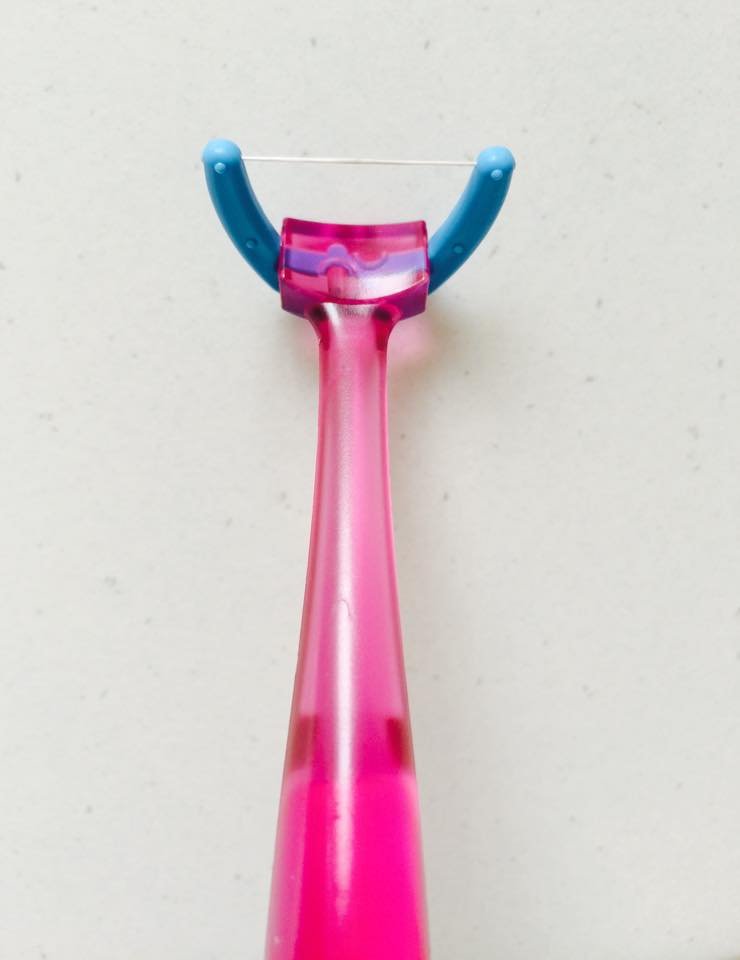
What Are the 7 Real Causes of Bleeding Gums?
"You're brushing too hard" is the answer people get most often. It's sometimes true, but it's rarely the whole story. Here are the seven causes worth actually ruling out.
1. Early gingivitis from plaque buildup
The most common cause by far. Plaque along the gumline hardens into tartar within days if it isn't removed, and the bacteria in it trigger an inflammatory response. Inflamed tissue bleeds easily - that's just how blood vessels near the surface behave.
2. A hard-bristle brush or aggressive technique
Scrubbing side-to-side with a firm brush can nick the gumline directly. Switch to soft bristles and a gentle circular motion. If bleeding stops within a week of this change alone, this was your cause.
3. Vitamin C or vitamin K deficiency
Vitamin C supports collagen in gum tissue; vitamin K is needed for normal blood clotting. Genuine deficiency is uncommon in people who eat a varied diet, but it's real and worth ruling out if bleeding is severe or widespread.
4. Hormonal shifts
Pregnancy, puberty, and the menstrual cycle all change blood flow and inflammatory response in gum tissue. "Pregnancy gingivitis" is common enough to have its own name and usually settles after the hormonal shift passes.
5. Blood-thinning medication
Aspirin, warfarin, and other anticoagulants reduce clotting, which makes any existing gum inflammation bleed more visibly than it otherwise would. This doesn't mean stop your medication - it means the underlying gum health still needs attention.
6. Uncontrolled diabetes
High blood sugar impairs healing and shifts the immune response in gum tissue, making periodontal disease both more likely and harder to reverse. Gum bleeding that won't resolve is a known early sign clinicians watch for.
7. Oral microbiome imbalance
Underneath most of the causes above is the same mechanism: which bacteria dominate your gumline. When opportunistic species outcompete helpful ones, tissue stays inflamed even with decent brushing. We cover this in depth in Oral Microbiome 101.

When Should Bleeding Gums Worry You?
Most bleeding gums are gingivitis - reversible, common, not an emergency. But a few signs mean it's time to see a dentist instead of adjusting your routine further:
- Bleeding continues past 2 to 4 weeks of gentler brushing and consistent flossing
- Gums bleed with no touching at all
- You notice a receding gumline, loose teeth, or persistent bad breath alongside it
- You have unexplained bruising elsewhere on your body at the same time
- There's visible swelling, pus, or pain, not just bleeding
Left untreated long enough, gingivitis can progress to periodontitis, which involves bone loss and isn't fully reversible. Catching it at the bleeding-gums stage is the easy window - don't let it close.
What Actually Helps Stop Bleeding Gums?
- Switch to a soft-bristle brush and use gentle, circular strokes instead of scrubbing.
- Floss once a day, every day. Consistent flossing reduces the plaque that triggers inflammation in the first place - the bleeding you see when you restart is temporary.
- Cut back on constant sugar sipping. Frequent sugar exposure feeds the bacteria most linked to gum inflammation.
- Reconsider alcohol-based mouthwash if you use it twice daily long-term - it can disrupt the balance of bacteria that keeps gums calm.
- Give it 2 to 4 weeks before judging results. Gum tissue heals, but not overnight.
If you want the full picture on why hygiene alone sometimes isn't enough, that's the whole subject of our pillar guide on the oral microbiome.
Do Oral Probiotics Help With Bleeding Gums?
As an adjunct, yes. A meta-analysis in the Journal of Clinical Periodontology found that probiotic strains like Lactobacillus reuteri, used alongside standard periodontal care, improved clinical measures such as probing depth.[2] A broader systematic review in the Journal of Dentistry reached a similar conclusion: modest but real benefits for gum inflammation when specific strains are used consistently.[3]
They're not a substitute for brushing, flossing, or a dentist when things are already serious. But as a daily add-on while you fix the fundamentals above, the evidence is reasonable enough to be worth knowing about.
Honestly: the oral probiotic we've looked at most closely on this site is ProDentim - named strains, a chewable format, and a 60-day money-back guarantee. It won't fix gum disease on its own, and the official site is the only place to buy it safely.
See the ProDentim review →Frequently asked questions
Is it normal for gums to bleed when you brush?
Occasional light bleeding after flossing you haven't done in a while is common. Bleeding every time you brush is not normal - it's usually the first visible sign of gingivitis, worth addressing within a few weeks, not ignoring.
Does brushing too hard cause bleeding gums?
It can, especially with a hard-bristle brush or aggressive technique, but it's rarely the only cause. Most people who brush hard also have some plaque-driven inflammation underneath, so a softer brush helps but often isn't the full fix.
When should bleeding gums worry you?
See a dentist if bleeding continues past 2 to 4 weeks of gentler care, happens with no touching at all, or comes with loose teeth, receding gums, or unexplained bruising elsewhere.
Can an oral microbiome imbalance cause bleeding gums?
Yes. Gum bleeding is largely driven by which bacteria dominate the biofilm along your gumline. When opportunistic species outcompete helpful ones, tissue becomes inflamed and bleeds more easily - the same dysbiosis process covered in our oral microbiome guide.
Do oral probiotics help stop bleeding gums?
They can help as an adjunct. Strains like Lactobacillus reuteri have shown measurable reductions in gum inflammation in clinical research, though they work alongside brushing and flossing, not instead of them.[2]
References
- Dewhirst FE, Chen T, Izard J, Paster BJ, Tanner AC, Yu WH, Lakshmanan A, Wade WG. The human oral microbiome. Journal of Bacteriology, 2010; 192(19):5002-17. PubMed 20656903
- Martin-Cabezas R, Davideau JL, Tenenbaum H, Huck O. Clinical efficacy of probiotics as an adjunctive therapy to non-surgical periodontal treatment of chronic periodontitis: a systematic review and meta-analysis. Journal of Clinical Periodontology, 2016. PubMed 26970124
- Gruner D, Paris S, Schwendicke F. Probiotics for managing caries and periodontitis: Systematic review and meta-analysis. Journal of Dentistry, 2016. PubMed 27395340
Citations are provided for context on gum inflammation and oral probiotics research in general - they are not endorsements of any specific commercial product.