Quick answer
The oral microbiome is the community of 600+ bacterial species living in your mouth.[1] A healthy balance protects your gums and breath; dysbiosis (imbalance) is what causes bleeding gums, bad breath, and cavities. Brushing alone doesn't fix dysbiosis because it removes plaque but doesn't repopulate helpful bacteria - that takes diet, fewer disruptors like alcohol mouthwash, and sometimes targeted oral probiotics.
What's in this guide
- What Is the Oral Microbiome?
- Who Lives in Your Oral Microbiome?
- What's the Difference Between Balance and Dysbiosis?
- What Throws the Oral Microbiome Off Balance?
- Why Isn't Brushing Alone Enough?
- How Does the Oral Ecosystem Rebuild Itself?
- Where Do Oral Probiotics Fit In?
- What's a Realistic Daily Routine for a Healthier Mouth?
- FAQ
- References
What Is the Oral Microbiome?
Your mouth is home to a dense, active community of microbes - bacteria mostly, but also fungi, viruses, and archaea. This community has a name: the oral microbiome. It lives on your teeth, along the gumline, on the roof of your mouth, on your tongue (especially the back), and floating in your saliva.
The Human Oral Microbiome Database has catalogued more than 600 prevalent bacterial taxa in the human mouth so far, across roughly a dozen bacterial groups.[1] That's not a bug. That's the baseline. A sterile mouth is not a healthy mouth - a sterile mouth is a fantasy.
Most of these microbes are neutral or actively helpful. They help digest starches, produce antimicrobial compounds that keep pathogens in check, and support the mucosal immune system. A small subset - species like Streptococcus mutans and certain anaerobes in the gum pockets - become a problem only when the ecosystem tips out of balance.
That tipping is the whole story of gum disease, cavities, and chronic bad breath. Not "bacteria bad." Bacteria imbalanced.
Who Lives in Your Oral Microbiome?
You don't need to memorise Latin names to take care of your mouth. But knowing the rough cast helps the rest of this guide land.
The helpful residents
- Streptococcus salivarius - one of the first colonisers of a baby's mouth and a lifelong resident of a healthy tongue. Some strains (like K12 and M18) are studied as oral probiotics.
- Lactobacillus species - notably L. reuteri and L. paracasei, both studied in the context of gum inflammation and plaque.[2]
- Commensal Neisseria and Veillonella - unglamorous names, real roles: they help metabolise nitrate from food into nitrite, which supports oral pH and even blood pressure.
The opportunists
- Streptococcus mutans - the classic cavity organism. Feeds on sugar, excretes acid, dissolves enamel.
- Porphyromonas gingivalis - a keystone pathogen in periodontitis. It's usually present in small numbers; disease starts when it blooms.
- Fusobacterium nucleatum - a "bridging" organism that lets other pathogens stick together into stubborn biofilm.
- Candida albicans - a yeast, not a bacterium. Normal in tiny amounts; overgrowth causes white tongue and oral thrush. Most white coating is not thrush, though - the difference is visible at home.
You have all of these right now. That's normal. The question is not are they there, but what's the ratio.
What's the Difference Between Balance and Dysbiosis?
Oral health researchers use two words a lot: eubiosis (balanced ecosystem) and dysbiosis (unbalanced one). Almost every mouth problem you can name is a dysbiosis story.
Dysbiosis in plain English
The helpful species get crowded out. Acid-producing or inflammation-triggering species take over the biofilm. Your gums notice first (redness, bleeding), your breath notices second, and - if it goes long enough - your enamel and jawbone notice too.
Two things matter here. First, dysbiosis is a gradient, not a switch. You don't wake up one day with gum disease; you drift there over months of small imbalances. Second, dysbiosis is often reversible in its early stages, which is why the "healthy mouth" habits below actually work when applied consistently.
What Throws the Oral Microbiome Off Balance?
These are the everyday disruptors, roughly in order of how often they show up in real complaints.
1. Frequent sugar exposure
Not just how much sugar - how often. Every sip of a sugary drink resets the acid clock in your mouth. Streptococcus mutans thrives, produces acid, and the ecosystem shifts toward acid-tolerant species. Sipping soda over an hour is worse than drinking it in one go.
2. Antibiotics
Antibiotics don't know the difference between the strep infection in your throat and the beneficial Streptococcus salivarius on your tongue. A course of oral antibiotics can flatten the oral microbiome for weeks. It usually recovers, but not always to the same composition.
3. Alcohol-based mouthwash used long-term
Marketed as "kills 99.9% of germs." That's not the win people think it is. Killing 99.9% of a diverse ecosystem clears the runway for whatever survives to dominate - and the survivors are not always the ones you want. Occasional use for a specific reason is fine. Twice-daily-forever use is worth reconsidering.
4. Dry mouth (xerostomia)
Saliva is the mouth's cleaning system, buffer, and mineral supply all at once. Anything that reduces it - mouth breathing, certain medications, dehydration, sleeping with your mouth open - lets pathogens gain ground. This is the main reason morning breath exists.
5. Smoking and vaping
Both reduce blood flow to the gums (masking early bleeding, which sounds good and is actually bad - it hides the warning signs) and shift the microbiome toward periodontal pathogens.
6. Chronic stress and poor sleep
Cortisol suppresses immune activity in the gums. Poor sleep reduces salivary immunoglobulin A, the antibody that keeps opportunists in check. Neither destroys your mouth on its own, but both stack on top of the disruptors above.
Why Isn't Brushing Alone Enough?
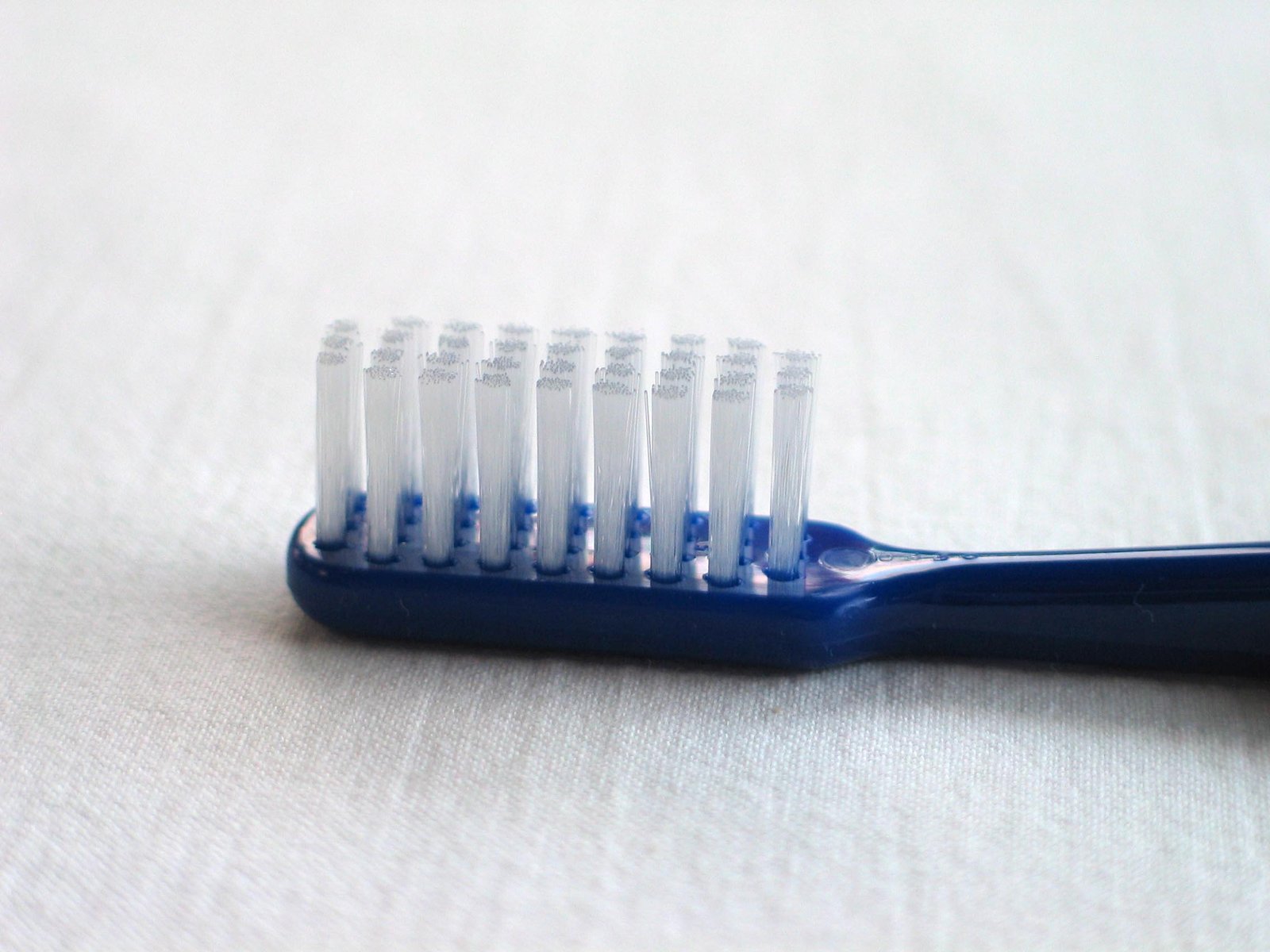
Brushing is essential. It mechanically disrupts the biofilm that would otherwise mature into hardened plaque and calculus. Flossing does the same between teeth. Skip either and no ecosystem-level trick will save you.
But brushing has three limits people rarely hear about:
- It doesn't repopulate anything. You can clear the bad players off a tooth surface, but if the helpful players aren't given a reason to move in and hold that territory, opportunists come back first. Biofilm regrows within hours.
- It doesn't reach the tongue's back third. That's where volatile sulfur compounds - the smell of bad breath - are produced by anaerobic bacteria feeding on protein debris. A toothbrush barely touches this area.
- It doesn't change the environment. If you have dry mouth, high-sugar snacking, or a mouth-breathing habit, brushing more just delays the same tilt.
Think of a lawn. Mowing weekly is necessary. But if the soil is depleted, the pH is wrong, and you never water it, mowing alone won't give you a healthy lawn - you'll just have a shorter unhealthy one. Same logic applies to your mouth.
How Does the Oral Ecosystem Rebuild Itself?
Here's the good news buried inside all of this: the mouth is one of the fastest-turnover microbial environments in the body. Give it decent conditions and it moves. Mild dysbiosis can start correcting within days. Established gingivitis often improves within 2 to 4 weeks of consistent care. Deeper issues take longer - and past a certain point, they need a dentist, not a bathroom shelf.
The rebuild has three levers:
- Stop the disruption. Cut the constant sugar exposure. Reconsider the alcohol mouthwash. Fix dry mouth (hydration, nasal breathing at night, sometimes a humidifier).
- Give helpful microbes something to live on. Fibre, polyphenols, dietary nitrate (leafy greens), fermented foods. Full list in best foods for healthy gums.
- Consider seeding helpful species directly. This is where oral probiotics enter, honestly and with caveats.
Where Do Oral Probiotics Fit In?
The idea behind oral probiotics is simple: rather than only removing bad players (brushing) or feeding good ones (diet), you deliver specific beneficial strains directly to the mouth so they can compete for space in the biofilm.
The evidence is real but not miraculous. A 2016 systematic review and meta-analysis by Gruner and colleagues in the Journal of Dentistry concluded that probiotics can produce measurable, positive effects for caries risk and periodontitis, though effect sizes were modest and study heterogeneity was high.[3] A separate meta-analysis by Martin-Cabezas and colleagues found that probiotics used as an adjunct to standard non-surgical periodontal therapy improved clinical outcomes such as probing depth reduction.[4] A broader review by Allaker and Stephen in Current Oral Health Reports came to a similar overall conclusion: promising, strain-specific, not a cure.[2]
Practical version:
- Oral probiotics work as an adjunct, not as a replacement for brushing, flossing, or the dentist.
- Specific strains matter more than "probiotic" as a category. The strains with the most oral evidence are Streptococcus salivarius K12 and M18, Lactobacillus reuteri, and Lactobacillus paracasei.
- They need consistent daily use for weeks, not days, to fairly evaluate.
- Delivery format matters - a lozenge or chewable that dissolves in the mouth keeps the strains where they're supposed to work.
We go deeper into the actual evidence in do oral probiotics actually work.
If you want to test one: the oral probiotic we've looked at most closely on this site is ProDentim - a chewable formulation with named strains and a 60-day money-back guarantee. It's not magic and we say so, but it's a reasonable candidate for a self-test.
See what the evidence supports on ProDentim →What's a Realistic Daily Routine for a Healthier Oral Microbiome?
Not a 12-step protocol. Six things, in the order they matter:
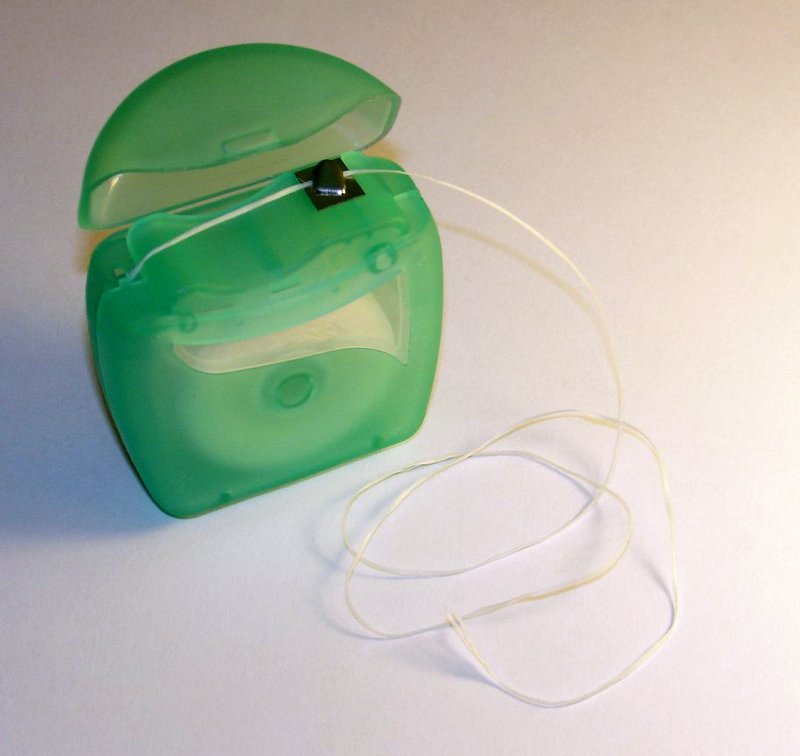
- Brush twice a day, floss once. Non-negotiable. Everything else is additive.
- Scrape or brush the back of your tongue. This is where most bad breath is produced - see bad breath that won't go away.
- Cut down on sipping. Coffee, soda, juice, even sparkling water - drink them, then rinse with plain water. Frequency matters more than volume.
- Reconsider alcohol mouthwash. Save it for specific short-term situations. Default to water or a non-alcohol rinse.
- Hydrate and breathe through your nose. Especially at night. Dry mouth is a bigger driver of dysbiosis than most people realise.
- Eat for the ecosystem. Fibre, leafy greens, unsweetened fermented foods, some polyphenol-rich foods like green tea and berries. Details in best foods for healthy gums.
An oral probiotic is optional item seven, and only after items one through six are in place. If your foundation is leaking, no supplement seals it.
Frequently asked questions
What is the oral microbiome in simple terms?
It's the community of bacteria, fungi, and other microbes living in your mouth - on teeth, gums, tongue, and in saliva. Researchers have catalogued more than 600 bacterial taxa there.[1] Most are harmless or helpful. Only a small fraction cause problems when the ecosystem gets thrown out of balance.
Can brushing alone give me a healthy oral microbiome?
No. Brushing removes plaque and food debris - essential - but doesn't repopulate helpful species or fix the environment they need to thrive (saliva flow, low-sugar exposure, no chronic alcohol rinse). Hygiene is the floor, not the ceiling.
What throws off the oral microbiome the fastest?
Antibiotics and long-term alcohol mouthwash cause the biggest short-term shifts. Frequent sugar exposure and dry mouth cause the biggest long-term drift. Smoking, stress, and poor sleep stack on top.
Do oral probiotics actually help rebalance it?
The evidence is real but modest. Meta-analyses on strains like Lactobacillus reuteri and Lactobacillus paracasei show measurable benefit as an adjunct to standard care - not as a replacement.[3][4] Results vary by person and take weeks of daily use to evaluate.
How long does the oral microbiome take to recover?
Mild disruptions (a course of antibiotics, a bad-diet week) start shifting back within days once conditions improve. Established gingivitis usually needs 4 to 8 weeks of consistent care to visibly settle. Structural gum disease needs a dentist - no timeline of supplements replaces that.
References
- Dewhirst FE, Chen T, Izard J, Paster BJ, Tanner AC, Yu WH, Lakshmanan A, Wade WG. The human oral microbiome. Journal of Bacteriology, 2010; 192(19):5002-17. PubMed 20656903
- Allaker RP, Stephen AS. Use of Probiotics and Oral Health. Current Oral Health Reports, 2017. PubMed 28966901
- Gruner D, Paris S, Schwendicke F. Probiotics for managing caries and periodontitis: Systematic review and meta-analysis. Journal of Dentistry, 2016. PubMed 27395340
- Martin-Cabezas R, Davideau JL, Tenenbaum H, Huck O. Clinical efficacy of probiotics as an adjunctive therapy to non-surgical periodontal treatment of chronic periodontitis: a systematic review and meta-analysis. Journal of Clinical Periodontology, 2016. PubMed 26970124
Citations are provided for context on the oral microbiome and probiotics research in general - they are not endorsements of any specific commercial product.