Quick answer
Bad breath that persists after brushing almost always comes from anaerobic bacteria on the back of the tongue, not from your teeth - a toothbrush barely reaches that area.[2] The fix is tongue cleaning plus consistent hygiene, not more mouthwash, which only masks the smell for 20 to 30 minutes. If it's chronic despite good habits, it's usually an oral microbiome or gum issue, occasionally a non-dental one - and worth checking with a dentist if it doesn't improve in a few weeks.
What's in this guide
Transient vs. Chronic Bad Breath - Which Do You Have?
Transient breath issues - the classic "morning breath," or the aftermath of coffee, garlic, or a low-carb diet - clear up within an hour or two, especially after eating, drinking water, or brushing. This is normal and not a sign anything is wrong.
Chronic bad breath (halitosis) is different: it's noticeable most of the day, doesn't fully clear after brushing, and tends to come back within an hour or two even after mouthwash. If that's the pattern you're dealing with, the cause is usually ongoing, not a one-off.
Where Does Chronic Bad Breath Actually Come From?
Around 80 to 90% of chronic bad breath originates in the mouth itself, and the single biggest contributor is the coating on the back of the tongue.[2] That coating is a biofilm of food debris, dead cells, and - most importantly - anaerobic bacteria that break down proteins and release volatile sulfur compounds (VSCs). Those compounds are what you're actually smelling.
Other oral sources stack on top of tongue coating:
- Gum disease. Inflamed gum tissue and periodontal pockets host the same VSC-producing anaerobes.
- Dry mouth. Saliva is antibacterial and self-cleaning; less of it means bacteria build up faster. This is why breath is worst first thing in the morning.
- Cavities and old dental work. Decay and ill-fitting crowns or fillings create spaces where bacteria hide from brushing entirely.
The remaining 10 to 20% of cases trace to something outside the mouth - sinus infections, tonsil stones, acid reflux, or less commonly a metabolic condition. That's the minority, but it's why breath that resists every oral-hygiene fix eventually deserves a doctor's opinion, not just a dentist's.
Why Doesn't Mouthwash Fix It?
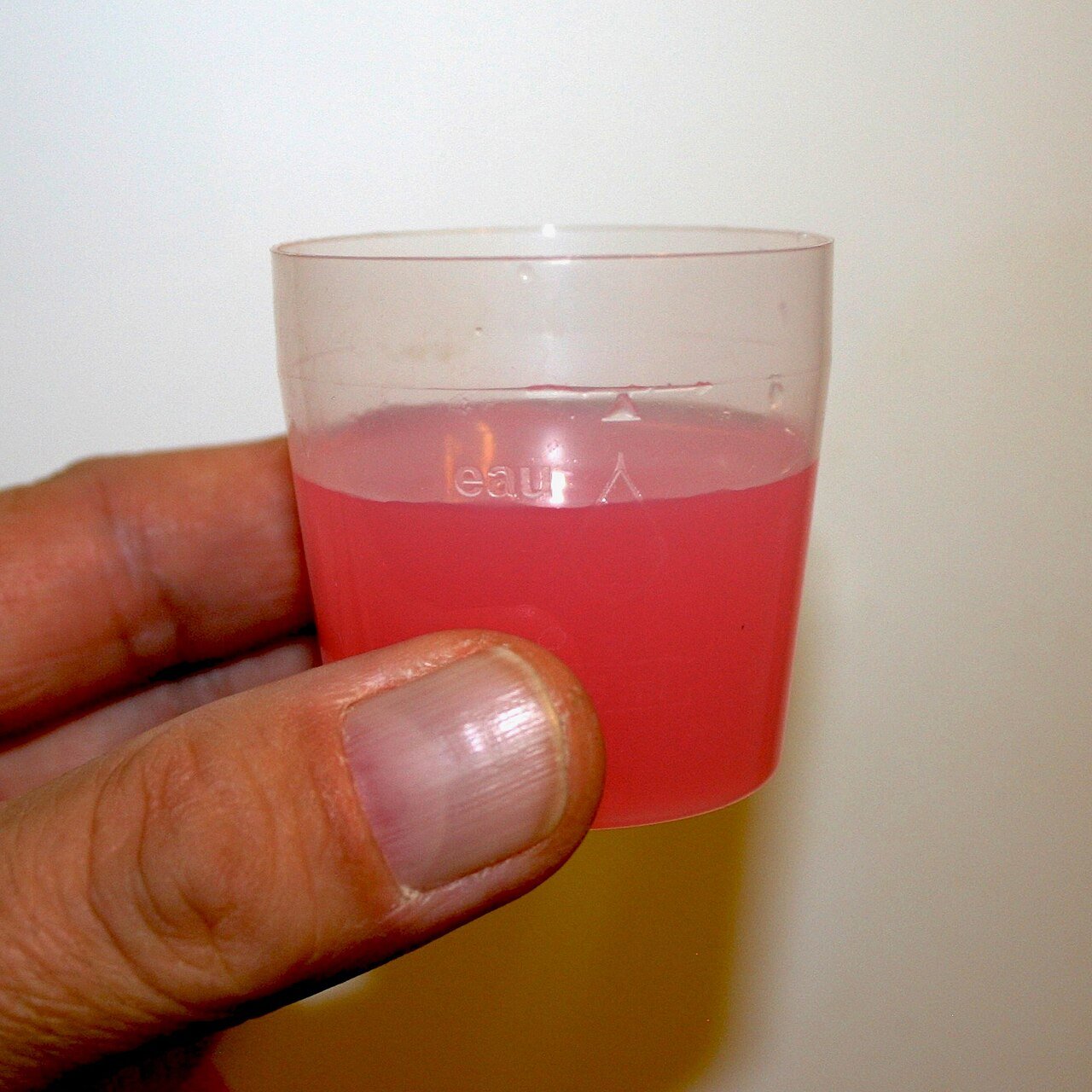
Standard mouthwash does two things: it adds fragrance that masks odor for roughly 20 to 30 minutes, and it kills some surface bacteria on contact. Neither of those touches the biofilm embedded in the tongue's coating - which regenerates within hours regardless.
What Actually Gets Rid of Bad Breath?
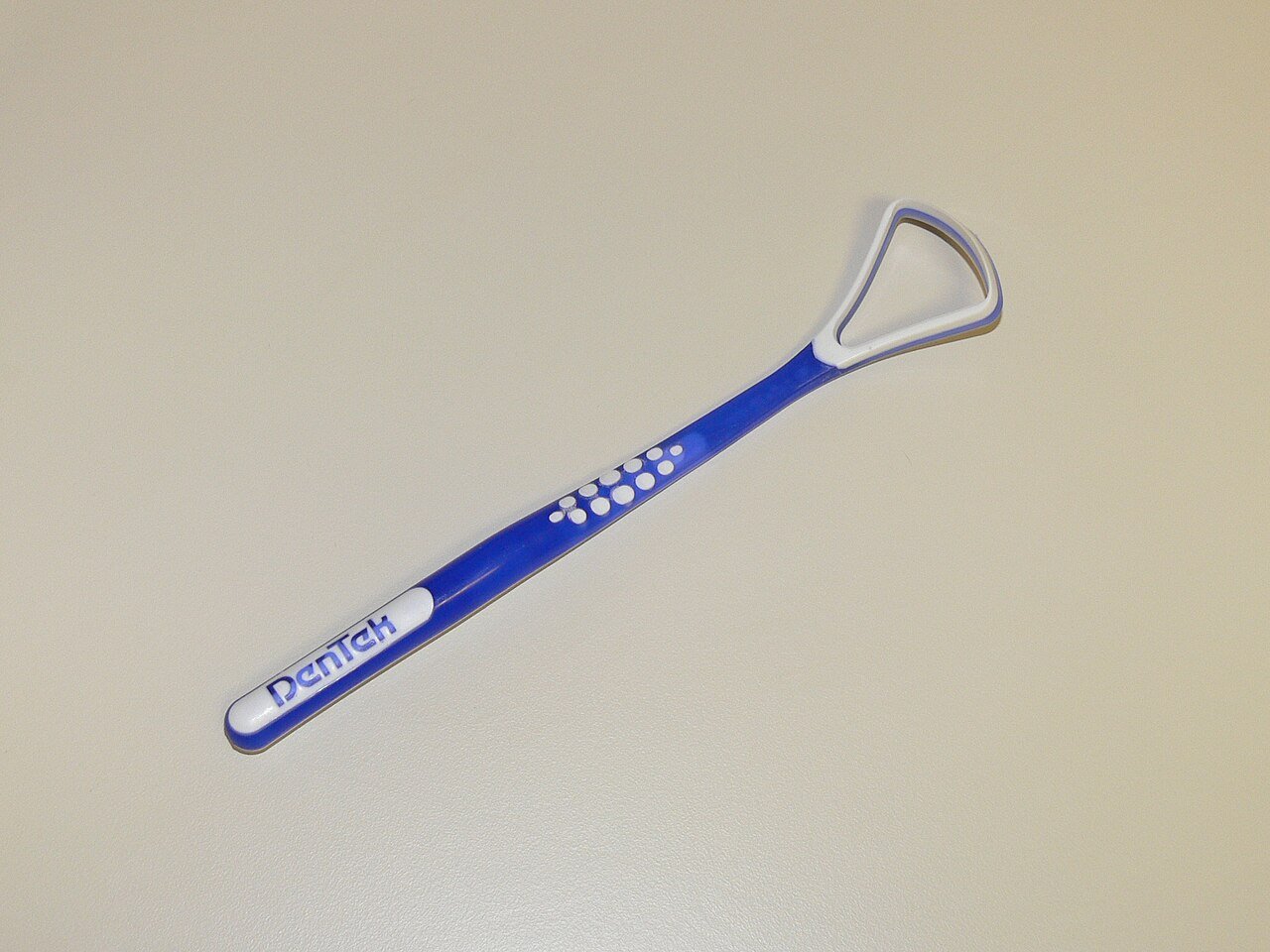
- Clean the back of your tongue daily. A tongue scraper or the ridged back of your toothbrush, reaching as far back as comfortable, removes far more of the VSC-producing coating than brushing alone.
- Floss once a day. Trapped food between teeth breaks down and adds to the smell within hours.
- Stay hydrated and breathe through your nose, especially at night - dry mouth is one of the fastest ways to make breath worse.
- Cut back on constant sugar and acid sipping, which feeds the same bacteria responsible for the coating.
- Use mouthwash after cleaning, not instead of it - as a finishing step, not a substitute for the tongue and floss routine above.
For the full picture on why hygiene alone sometimes still isn't enough, see Oral Microbiome 101 - the same imbalance that drives bleeding gums is often behind stubborn breath issues too.
Do Oral Probiotics Help With Bad Breath?
This is one of the better-supported uses of oral probiotics. A 2022 systematic review and meta-analysis in BMJ Open found that probiotic supplementation produced measurable reductions in halitosis markers compared to placebo, with Streptococcus salivarius K12 showing the clearest signal.[3] The effect is an adjunct - on top of tongue cleaning and hygiene, not instead of it - but it's one of the more consistent findings in the oral-probiotic literature we've covered in our evidence review.
Honestly: the oral probiotic we've looked at most closely on this site is ProDentim - a chewable format with named strains and a 60-day money-back guarantee. It's not a replacement for tongue cleaning, and the official site is the only place to buy it.
See the ProDentim review →When Is Bad Breath a Sign of Something Else?
Usually fixable with better habits
- Worse in the morning, better after eating and brushing
- Improves noticeably within 1 to 2 weeks of tongue cleaning
- Tied to specific foods or a low-carb diet
- Comes with visible tongue coating you can see in the mirror
Worth a dentist or doctor visit
- Persistent despite 2-4 weeks of consistent tongue cleaning and flossing
- Comes with a metallic or sour taste, or nasal congestion
- Accompanied by bleeding gums, loose teeth, or visible decay
- Started suddenly alongside heartburn or reflux symptoms
Frequently asked questions
Why does my breath still smell bad after brushing?
Most chronic bad breath comes from anaerobic bacteria on the back of the tongue, not from teeth. A toothbrush barely reaches that area, so brushing alone often misses the actual source.[2]
Does mouthwash actually fix bad breath?
Most mouthwash masks odor for 20 to 30 minutes with fragrance and temporarily reduces bacteria counts, but doesn't address the tongue coating that produces the smell. Alcohol-based versions used long-term can also disrupt the oral microbiome.
What's the difference between morning breath and chronic bad breath?
Morning breath is transient - caused by reduced saliva overnight - and clears shortly after eating or brushing. Chronic bad breath persists throughout the day despite hygiene and points to an ongoing source.
Can tongue scraping get rid of bad breath?
For most people, yes, at least partially. The back of the tongue harbors the anaerobic bacteria that produce most volatile sulfur compounds, and a scraper reaches that area more effectively than a toothbrush.[2]
Do oral probiotics help with bad breath?
A 2022 systematic review and meta-analysis found that probiotic strains, particularly Streptococcus salivarius K12, produced measurable reductions in halitosis markers compared to placebo.[3] They work as an adjunct to brushing, flossing, and tongue cleaning.
References
- Dewhirst FE, Chen T, Izard J, Paster BJ, Tanner AC, Yu WH, Lakshmanan A, Wade WG. The human oral microbiome. Journal of Bacteriology, 2010; 192(19):5002-17. PubMed 20656903
- Seerangaiyan K, Jüch F, Winkel EG. Tongue coating: its characteristics and role in intra-oral halitosis and general health - a review. Journal of Breath Research, 2018; 12(3):034001. PubMed 29269592
- Huang N, Li J, Qiao X, Wu Y, Liu Y, Wu C, Li L. Efficacy of probiotics in the management of halitosis: a systematic review and meta-analysis. BMJ Open, 2022; 12(12):e060753. PubMed 36600415
Citations are provided for context on halitosis and oral probiotics research in general - they are not endorsements of any specific commercial product.